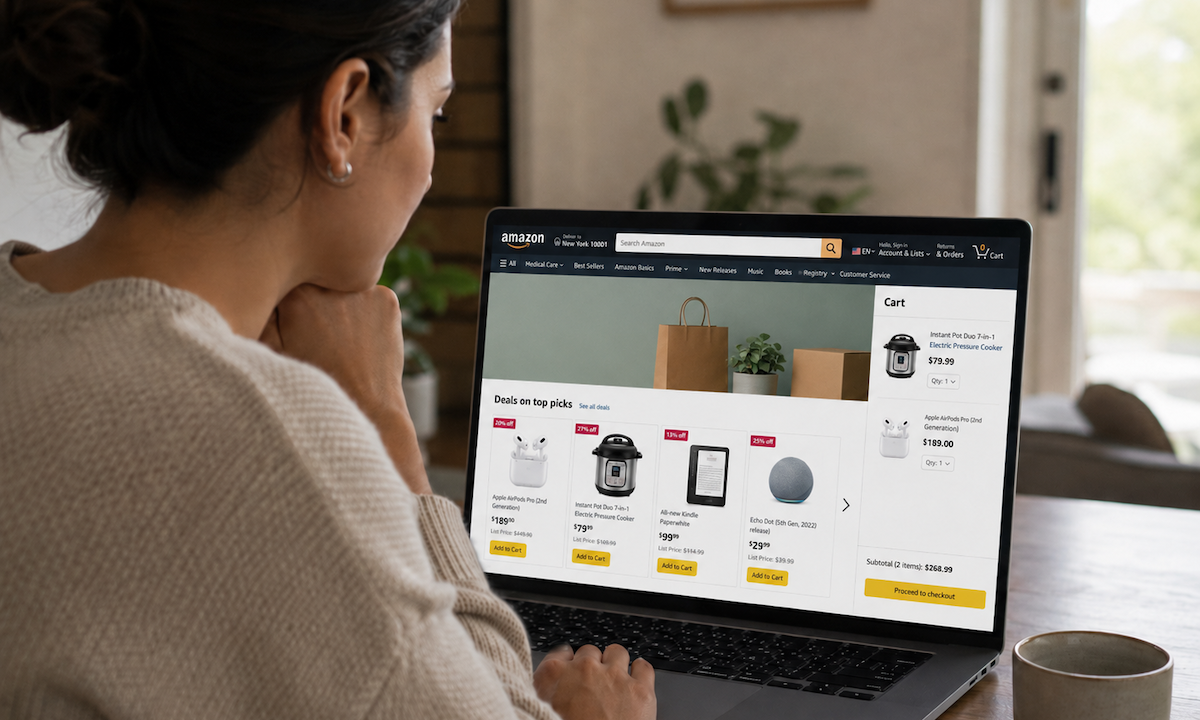
What happened: In an early contest ahead of the July Fourth season, Amazon and Walmart's campaigns from June 23 to 26 generated $26.4 billion in online spending, up 9.3%, with a record opening day of $8.3 billion. Amazon replaced conventional discounts with a dynamic pricing strategy that uses custom chips and Alexa data to build a habitual shopping system that is difficult to leave. Walmart responded by tying groceries and fuel to Walmart+ subscriptions, anchoring loyalty in everyday living costs.
The lens: The supply chain fragmentation lens: the contest is no longer about the lowest price but about owning the closed ecosystem, or walled garden, from predicting desire to delivery. Regional commerce platforms face two choices. They can build their own intelligent pricing and loyalty layers, or gradually become storefronts on someone else's infrastructure. The difference is between a retailer that owns the market and one that rents a shelf in it.
We use essential files to operate the site and optional analytics to understand usage and improve our journalism. We do not use personalised advertising or sell your data.
Analytics help us understand which pages, buttons and links readers find useful, without sending your name or email address. Outbound links are recorded only as a domain and safe path, without query strings or fragments.