

When AI algorithms enter the command room

Listen to this article
Read by Anchor
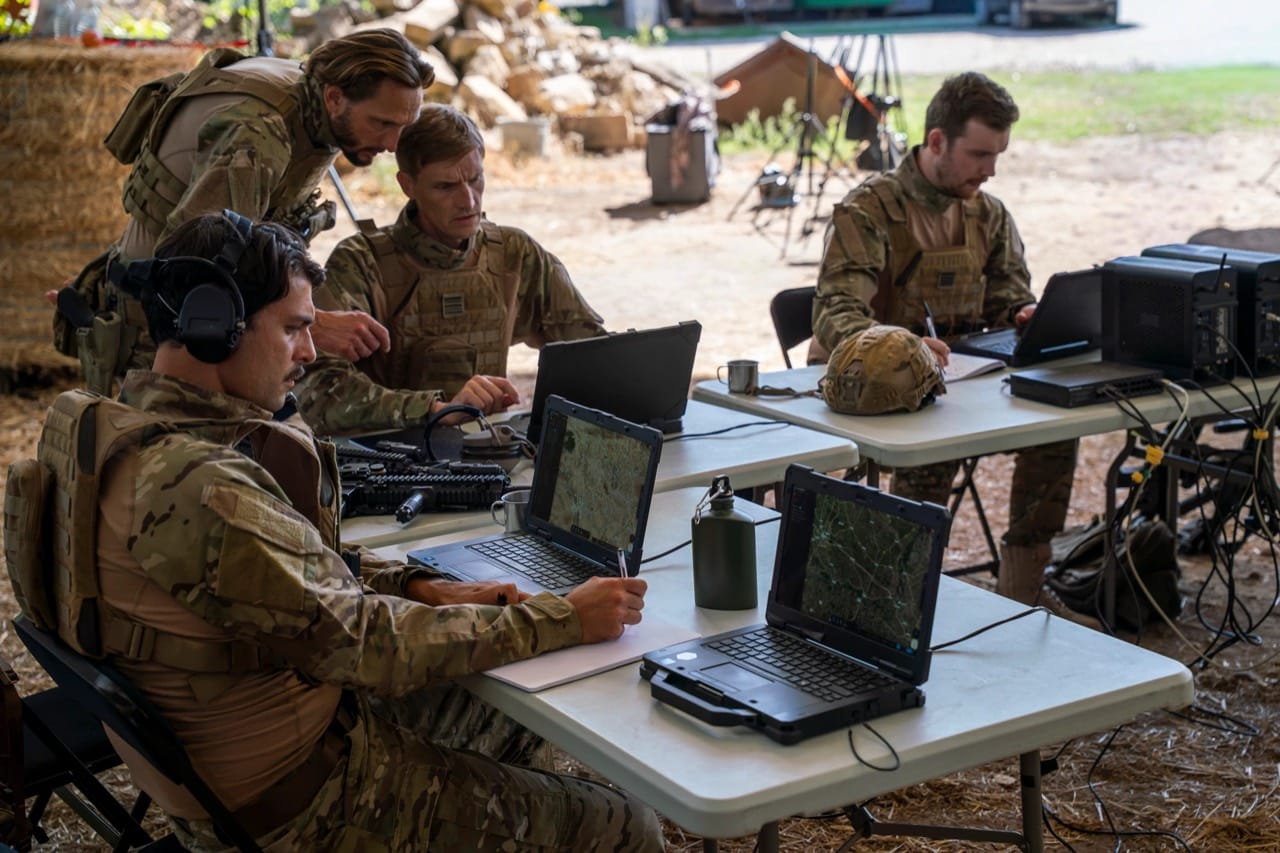
Do not start the story with a new product name, but with a harder question: what happens when data-sorting speed becomes part of a high-risk military decision? That is the most important context behind Thales’s announcement of the HexaForce system, a command-and-control system that relies on artificial intelligence and aggregates information from land, sea, air, space and cyberspace. The material that reached our office describes the system as a platform that helps leaders cope with an information flow that exceeds what a human team can review at the same speed.
The marketing claim alone is not enough. What can be verified is that Thales participated in the NATO-run CWIX 2026 exercise, and that its official page states the system underwent interoperability tests with command-and-control systems of other countries and with unified task-network specifications. This detail is more important than the list of features in the statement: the proposed value here is not a linguistic model that writes a summary, but the ability of different systems to exchange information within a shared network without failing when suppliers or environments differ.
The issue is not computational speed alone.
In the usual technical discourse, the phrase “accelerating decision-making” appears neutral. In command-and-control systems it is not neutral. Every increase in speed raises the importance of knowing the information source, how priorities were set, and who can review the result or halt the system in case of error. For this reason, NATO’s AI strategy includes principles covering legality, accountability, explainability, traceability, reliability, governance and bias mitigation. These are not ethical add-ons on the product’s margin, but conditions for understanding whether any decision-support system is fit for use in a highly sensitive environment.
HexaForce offers a useful example of military AI moving from separate tools to a broader operational architecture. When the system aggregates data from multiple sources and presents a shared operational picture, questions arise that processing power alone cannot answer: who owns the data, what trust criteria apply to each source, how the network is protected from manipulation, and how human judgment remains clear when the machine proposes an information ordering or a decision path. The technical exercise tests system interoperability, but it does not automatically answer every legal, political or humanitarian question.
Why the issue warrants regional monitoring
The available material does not show that HexaForce has been deployed or contracted by any entity in the Middle East and North Africa, and the presence of a regional media-relations officer should not be turned into such a claim. However, the absence of a local procurement announcement does not diminish the issue’s relevance for the region. The global debate on AI in security and defence touches on data-sovereignty, reliance on suppliers, interoperability standards and accountability in the use of systems that compress the time needed to handle sensitive information. These are concerns that matter to policymakers, researchers and tech companies in the region as much as to the organisations building these platforms abroad.
Therefore the announcement should not be read as a celebration of military capability or a ready-made technical promise. A more accurate reading is that the AI race is shifting: from a race for the fastest model to a race for an architecture that lets data, systems and people work together without relinquishing responsibility. This is the criterion that deserves monitoring when AI technologies reach the command room.