

UN University Warns of AI’s Hidden Water and Land Footprint

Listen to this article
Read by Anchor
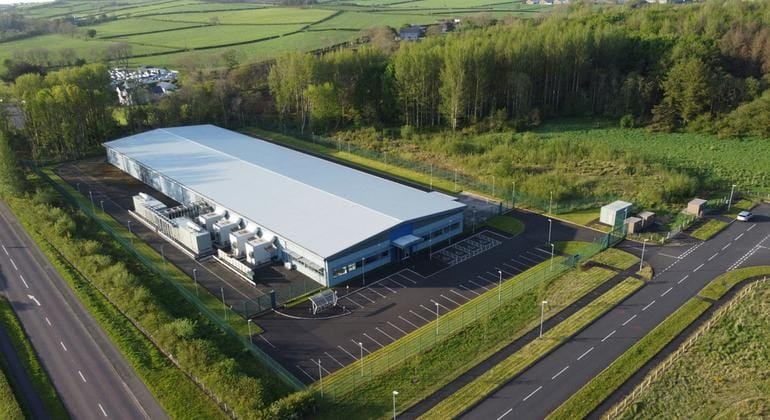
What happened: In June, the United Nations University (UNU) published a study that shifts the sustainability debate from carbon to resources. Electricity use by AI data centres could reach 945 terawatt-hours a year by 2030, three times the combined consumption of Pakistan, Nigeria and Bangladesh. Water used for cooling could equal the annual household needs of 1.3 billion people, while the “land footprint” of power plants and supply chains could exceed 14,500 square kilometres.
The lens: Resource security and environmental impact. The tension directly concerns our region. The Gulf is building some of the world’s largest data centres in one of the most water-scarce geographies on the planet. Water cooling in a desert environment is an equation to solve through engineering, including immersion cooling, treated water and recovered heat, rather than ignore. Otherwise, the advantage of cheap energy could become an environmental liability that weighs on sovereign ESG ratings.