

The conference ended, but the curriculum remained on the table
At ICAN 2026 in Riyadh, discussion of talent development turned into university programmes, professional standards and training paths, while the test of implementation remains open.

Listen to this article
Read by Anchor
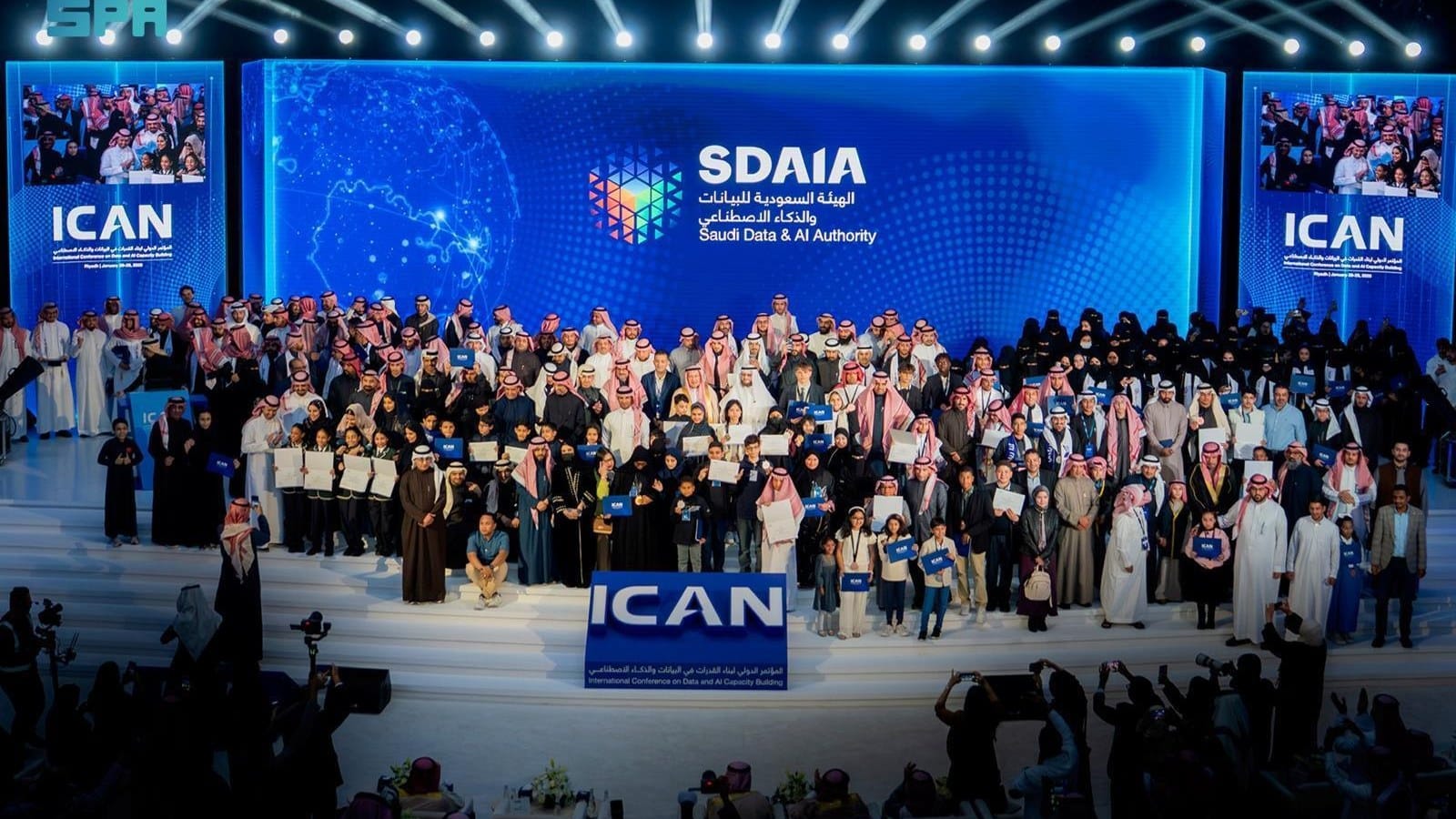
On the final evening of ICAN 2026, the story could have ended like many conferences do: the screens go dark, the group photograph is taken, and everyone leaves with a branded bag.
But on January 29, something weightier remained on the table: a curriculum.
The International Conference on Data and AI Capacity Building, organised by SDAIA at King Saud University in Riyadh over two days, was not a conference about a faster model or a new device. Its question was closer to people’s lives: who will work in this market, and how will they learn?
Thirty thousand people passed through, but the more important number was forty
According to the Saudi Press Agency, attendance exceeded 30,000. More than 50 local and international organisations participated, 64 speakers took part in 14 sessions, and 15 practical workshops and 23 exhibition stands were held.
These are the crowd figures. The number that may remain after the photographs of the hall have faded is 40: the number of new academic programmes announced across 14 public and private universities. They include bachelor’s and master’s degrees, minors and professional diplomas in data and artificial intelligence.
A unified national university curriculum in the field was also announced, alongside the second edition of the Academic Programme Standards Framework. The idea is clear: each university should not be left to define the required skills by chance, and there should be a common reference for what a student ought to learn.
If implemented as announced, AI education will no longer remain a collection of scattered courses with attractive names. It will become a path that can be compared and reviewed.
The curriculum gained a neighbour called the profession
The longstanding problem is not only the launch of a new specialisation. A university can teach one thing, only for an employer to ask for something entirely different.
SDAIA therefore unveiled the second edition of the National Occupational Standards Framework for Data and AI Professions at the conference. The framework defines the skills and qualifications required for these occupations and helps organisations plan their workforce needs.

Memoranda of understanding were also signed with 14 Saudi universities, along with a strategic agreement with HUMAIN to support cooperation and innovation and accelerate the adoption of AI solutions. In all, the conference announced the signing of 27 agreements and the launch of seven initiatives.
The two pieces, a university standard and an occupational standard, seek to close the gap between the degree and the workplace. But announcing a bridge does not mean that people have crossed it. The published summaries do not yet provide enrolment numbers for the new programmes, detailed implementation schedules for each programme, or measurable employment outcomes.
Training then left the university gates
The announcements did not limit learning to students. SDAIA launched the SAMAI 2 initiative with 11 ministries to train government employees in the practical and responsible use of AI.
It also launched the national ADHKI X platform, with training paths developed in cooperation with technology companies including IBM, Microsoft, Amazon Web Services and Oracle. The Data and AI Badges initiative also appeared, recognising distinguished national talent.
There was a small sign in the hall that earlier training had reached completion, rather than only the announcement of a beginning. A total of 106 trainees graduated from the SDAIA Academy through 12 programmes delivered in 2025, and more than 90 employees who had earned advanced professional certifications were honoured.
These numbers alone are not enough to meet the demand of an entire market. But they explain the shape of the plan: a university provides the foundation, a standard describes the profession, a platform continues the training, and a workplace applies it.
What left the hall was a talent production line
For those who did not attend, this is the summary of the two days. The story was not 30,000 visitors, nor the 27 signings in themselves. It was that Saudi Arabia placed education, training and occupational definitions in a single picture.
What will change now for an Arab student or employee? There is no promise of a job, and no evidence yet of the quality of every programme. But there is a clearer map of what to watch: when the forty programmes open for admissions, what the unified curriculum contains, whether employers recognise the badges, and how many trainees move from the platform into real work.
ICAN 2026 ended after two days. Its real story will begin when the first student enters the curriculum, then leaves it for a job that did not require a fresh translation of their skills.